The Refuge In Me Project
Partnered with Webster Humanitarian Association in Geneva, Switzerland.
The Refuge in Me Project started as a means to engage refugees who are limited by language. It transcended to an event to unite community and a digital publication.
The pictures below are documentation of a 7-day research project which outcome extended over a year to the present.
The Challenge:
In Switzerland, the lives of refugees are stagnant and limited when awaiting their legal residence. So we asked:
How can we provide a solution for the repetitive nature of their days and isolation in a foreign country?
The Research:
Ethnographic study, User Interviews, Exploratory Research, Community Workshops.
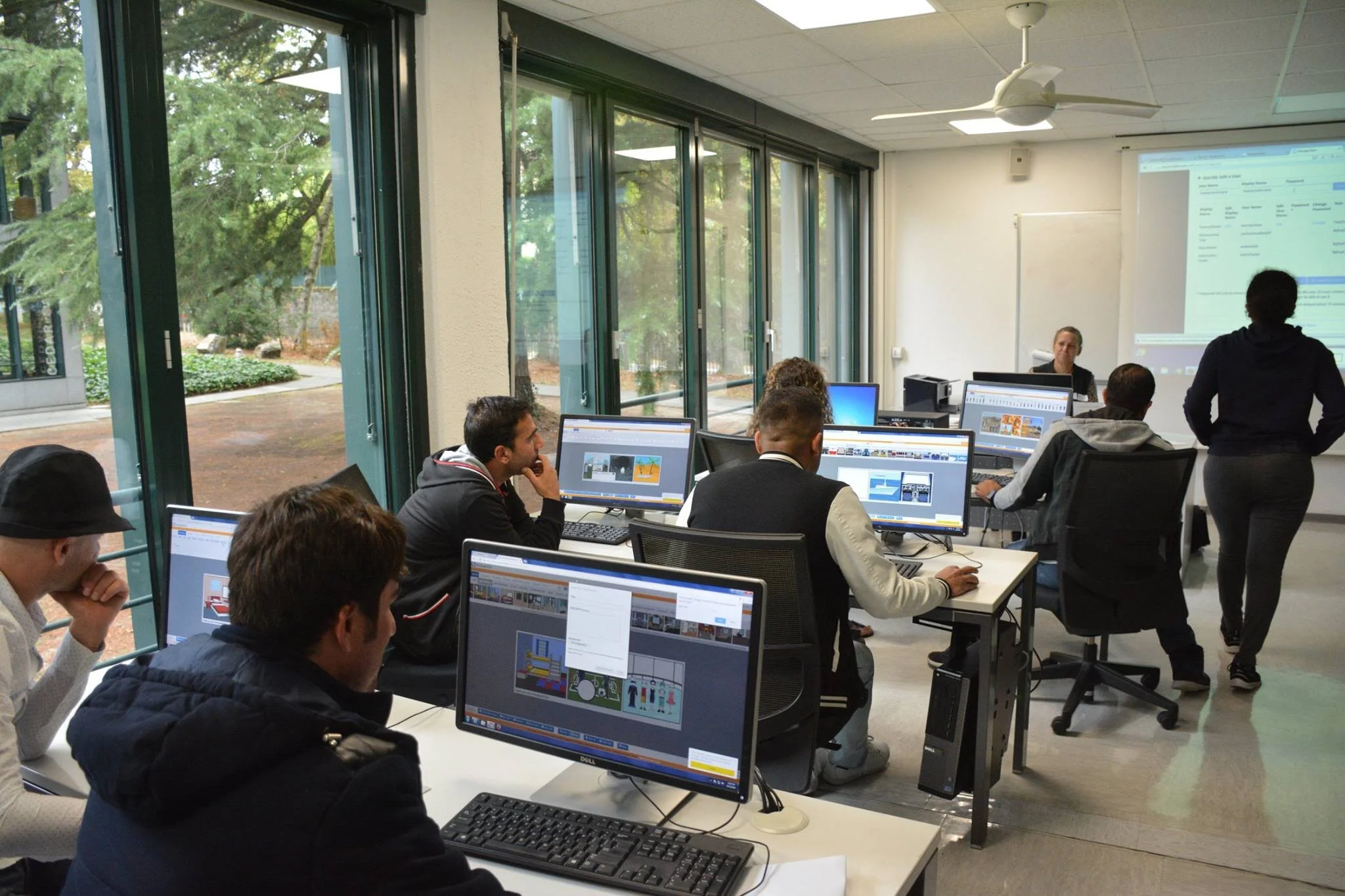
Working with local professionals, we explored refugees in Switzerland as they await their status. We discovered they are unable to work or study except attend volunteer-led French classes, so their lives become very repetitive and merely rampant with uncertainty.
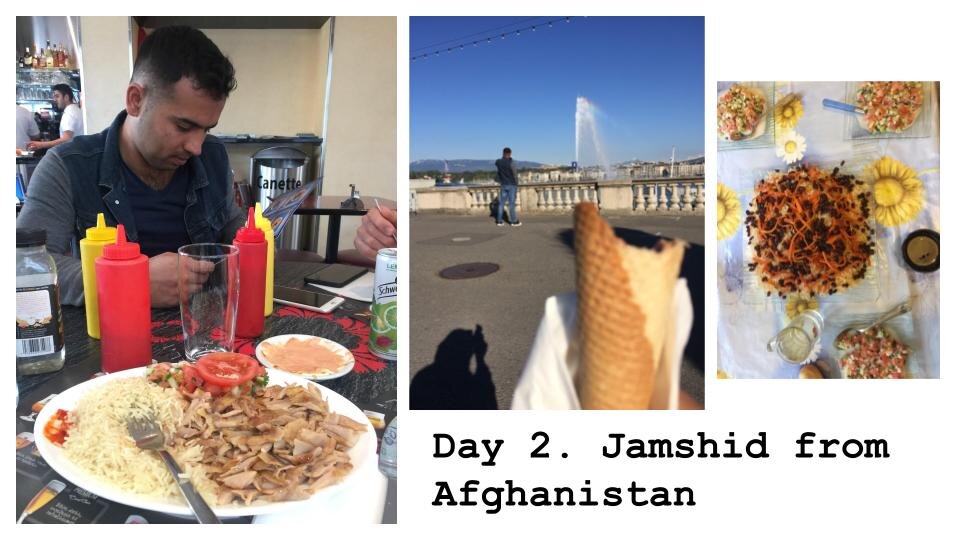
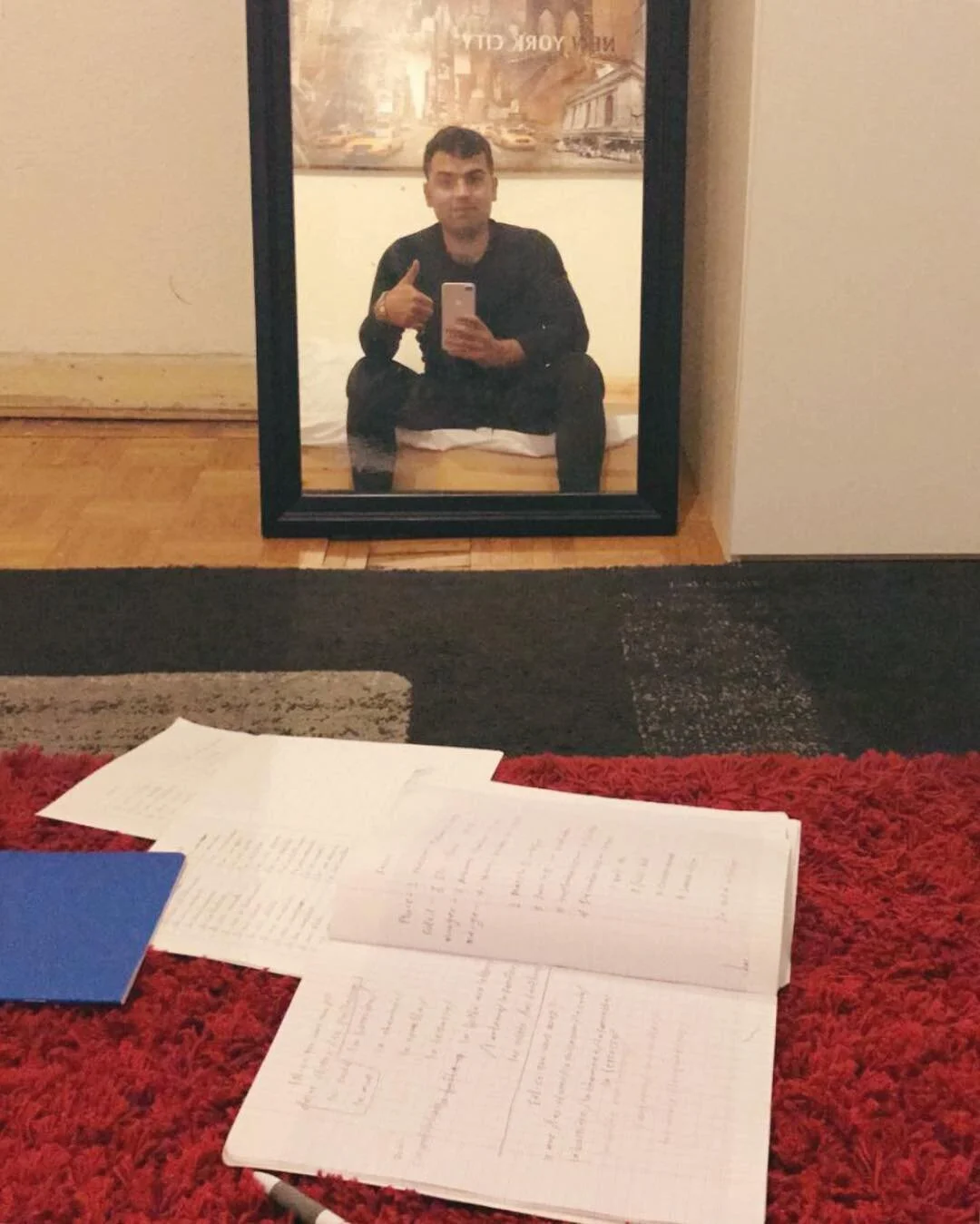
I also worked as a translator during our sessions, primarily with one individual. His name is Jamshid and he is a refugee from Afghanistan. Jamshid would speak to me in Urdu, and then he would translate for the rest of the group which consisted of many Afghans, in Farsi.
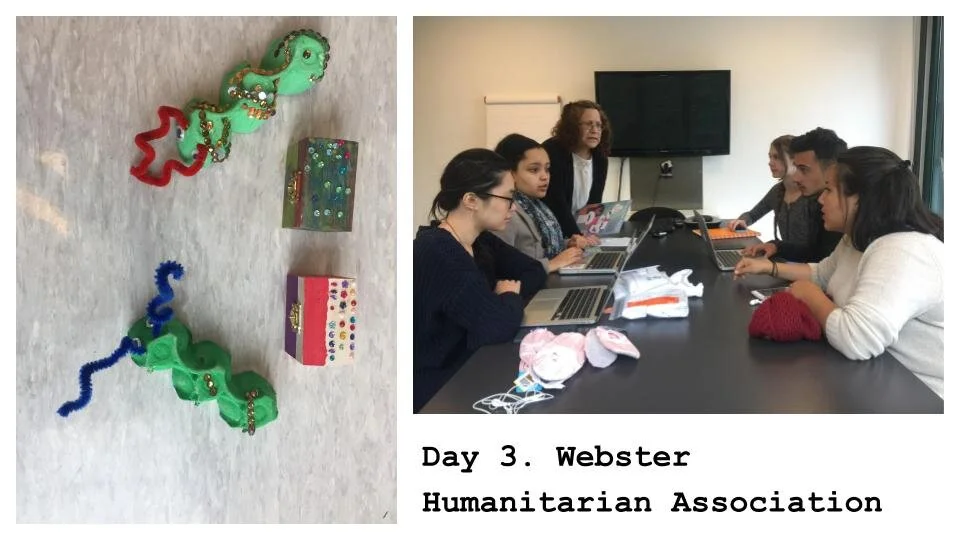
Working with local non-profit WHA, we decided to hold workshops with refugees that had settled in the local area of Bellevue.
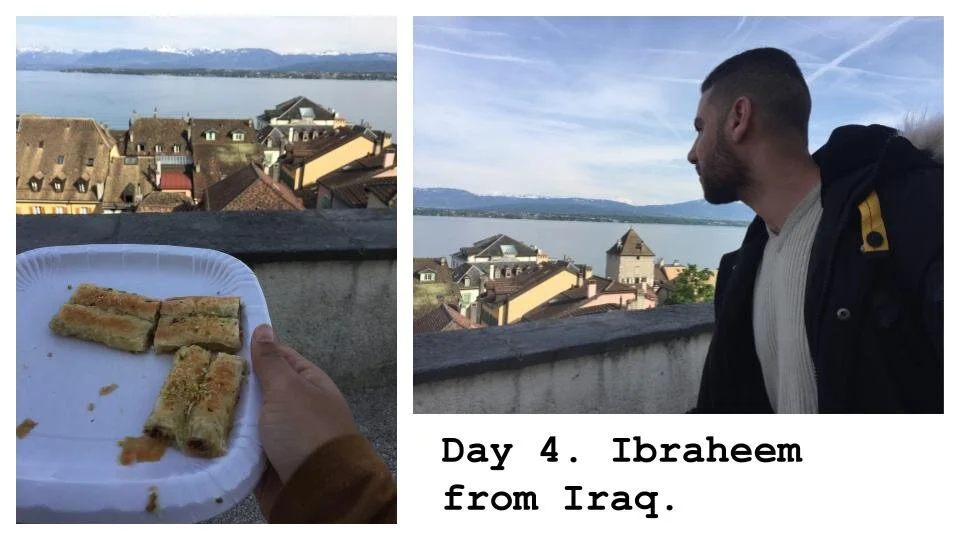
We also met Ibraheem, a former engineer from Iraq.
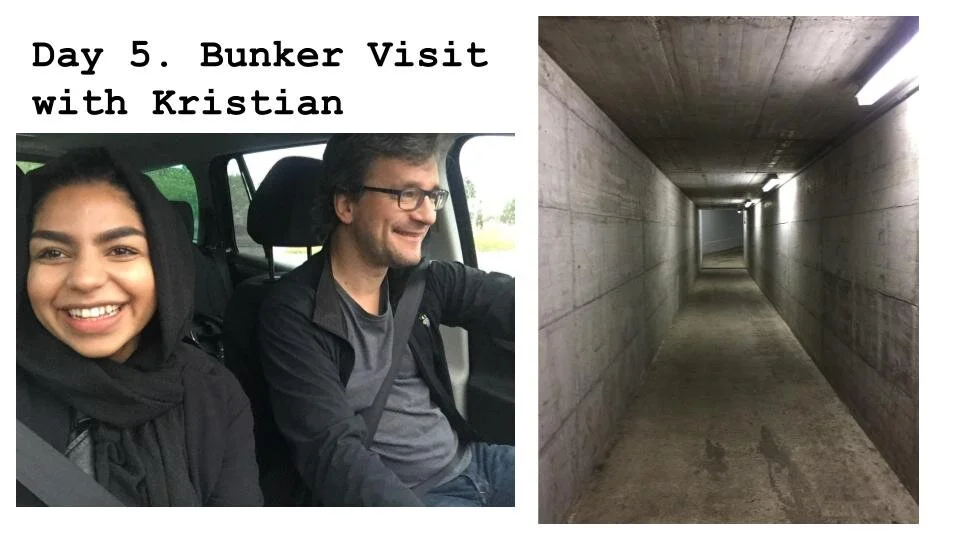
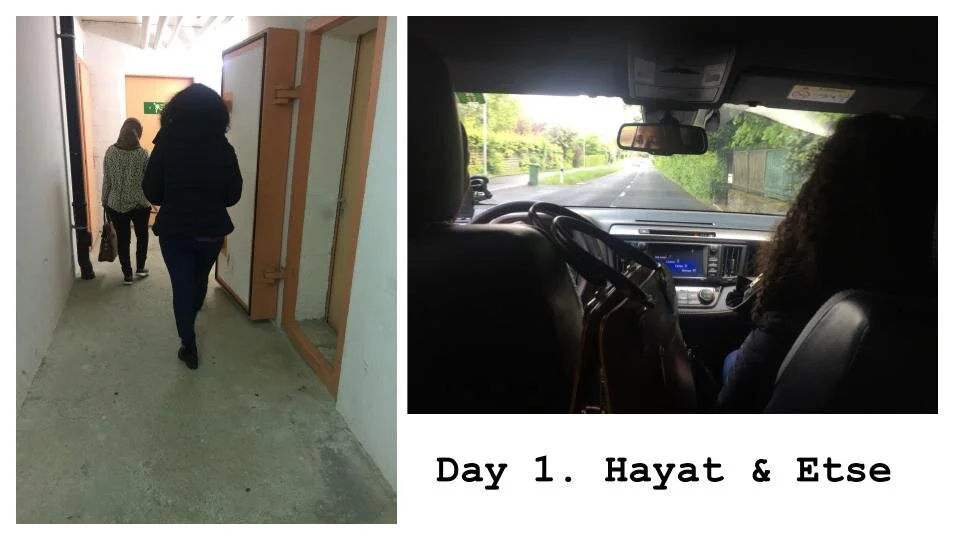
I also had the opportunity to visit the living quarters of these refugees. Currently, the male refugees live in underground bunkers created during World War II, that had remained empty. I was given permission by the organization to interview and experience their lives right in their living space.
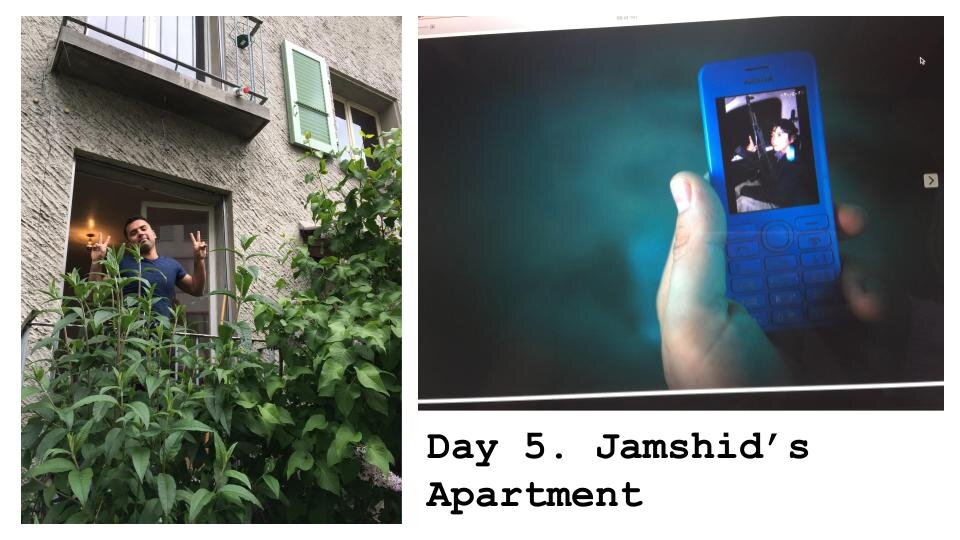
Refugees in Geneva can get funding to get their own rooms, sometimes even their own apartments. The problem is you need to have connections or know French or English.
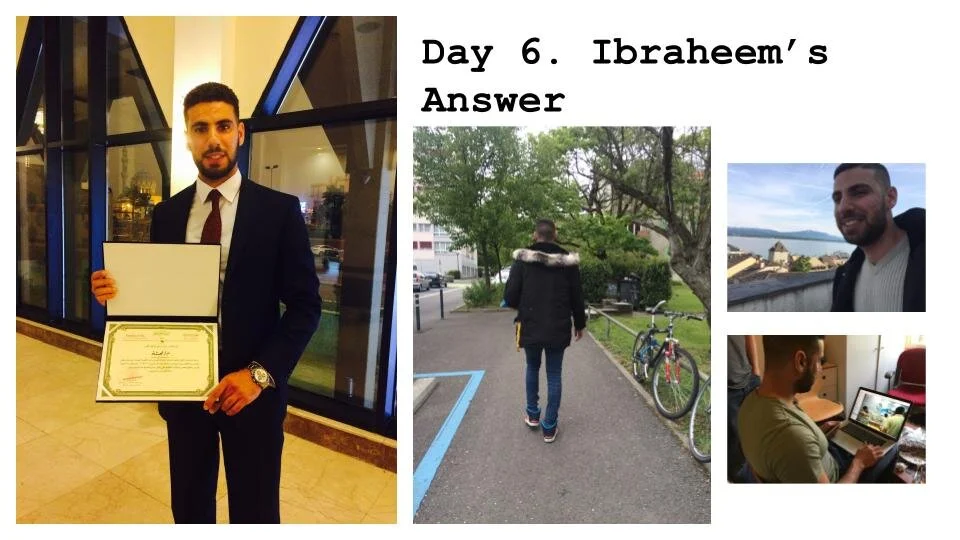
Refugees in Geneva must endure a long process until they receive their legal residence. The process can take anywhere between 1-2 years.
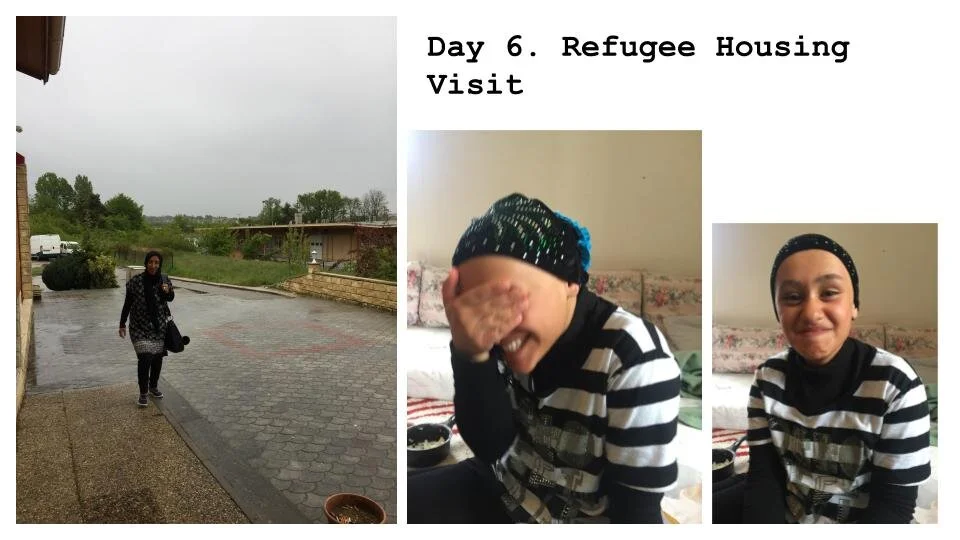
Families and children refugees live in large communal housing across areas of Geneva. They hold community events to engage and immerse, especially the children into the language and culture of Geneva.
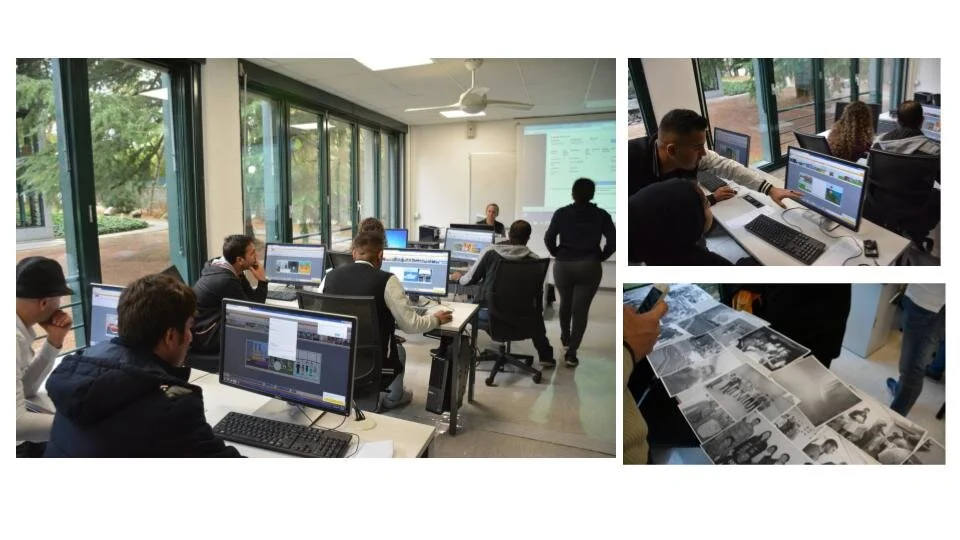
Our goal became to design a program to give refugees a productive activity in which we could a) teach them skills and b) assist in their integration with the larger community. Leveraging multimedia tools, translation devices and photography we supported our participants in creating their own work, telling their own stories.
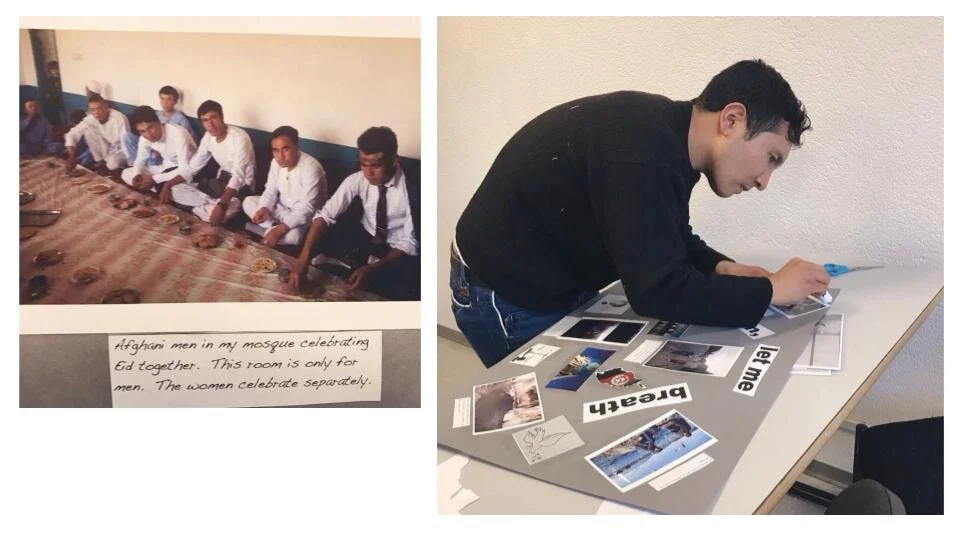
We decided to teach them photojournalism and art because it transcends language. Thus we could share their stories with the greater community alongside teaching them them new technology.
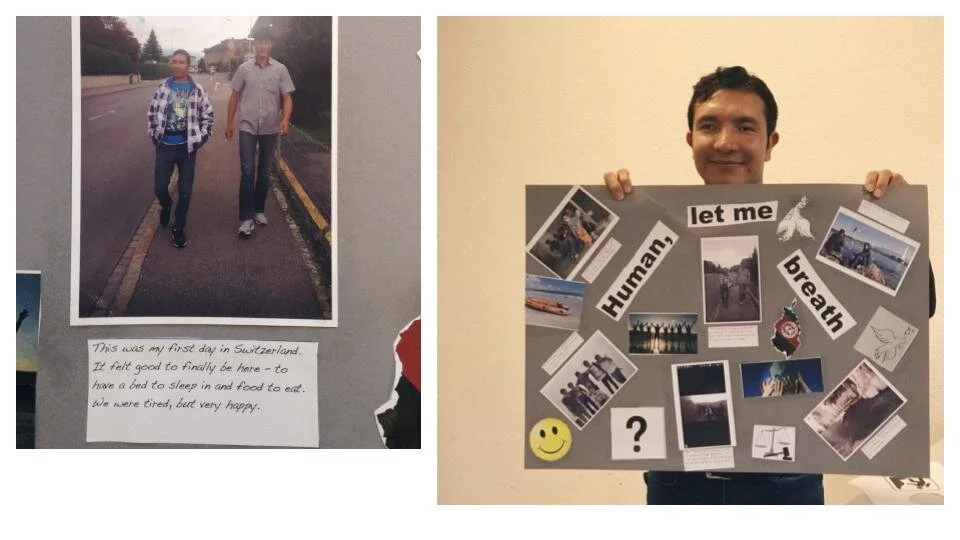
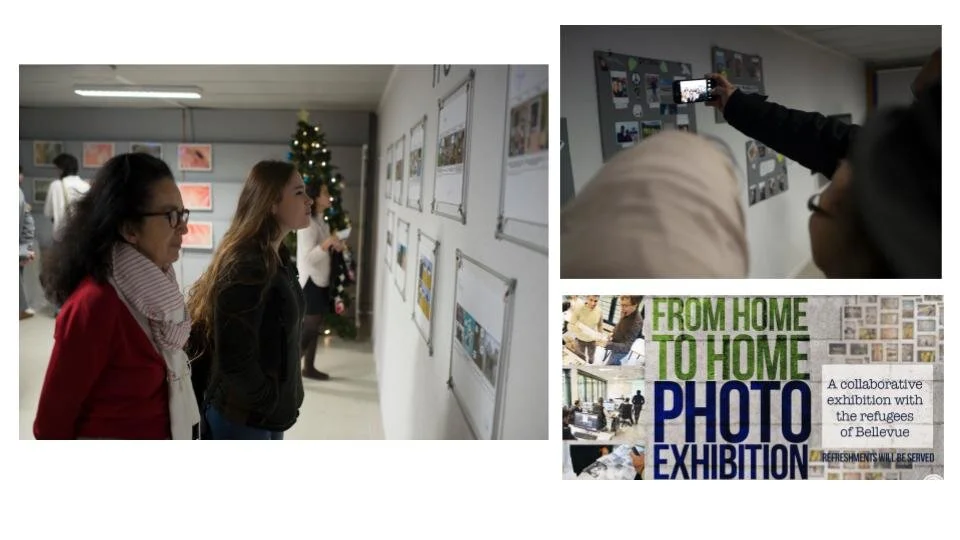
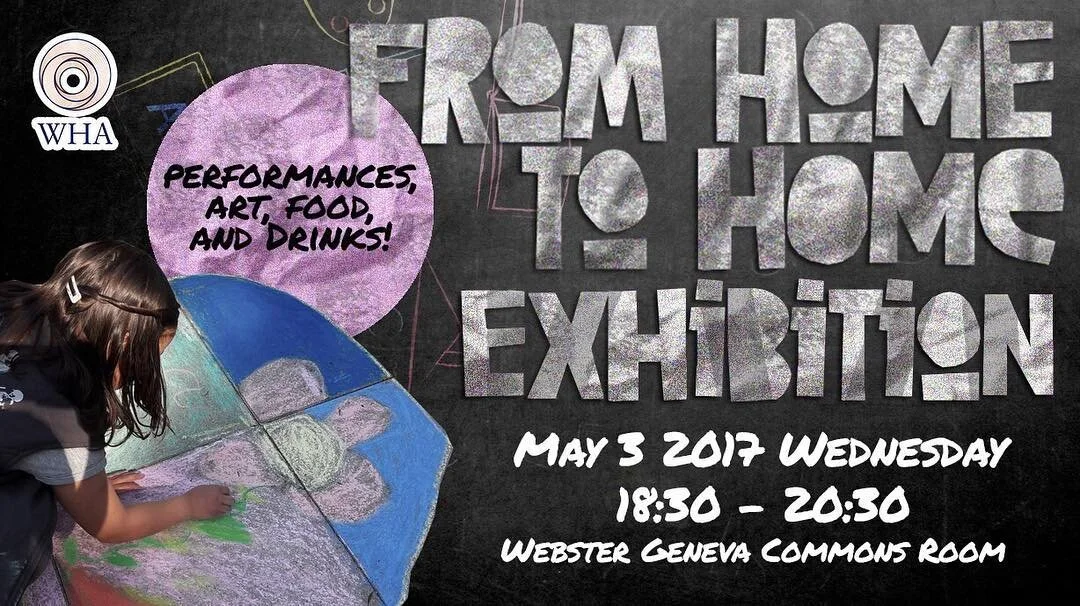
The Outcome: We exhibited our work at an annual event we named 'From Home to Home' We united with the local community, university, and non-profit to engage refugees and display their work.
A year later, the program was expanded to refugee children and families in teaching dance, song and art. The event continues every year.
the Instagram: